




Two TV features in one weekend
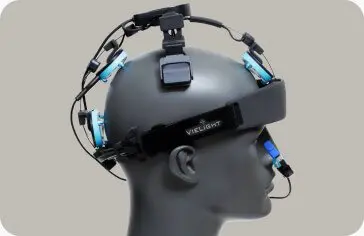
This past weekend, two NBC affiliates shined a spotlight on how athletes and researchers are using the Vielight Neuro to support brain performance and recovery.
-
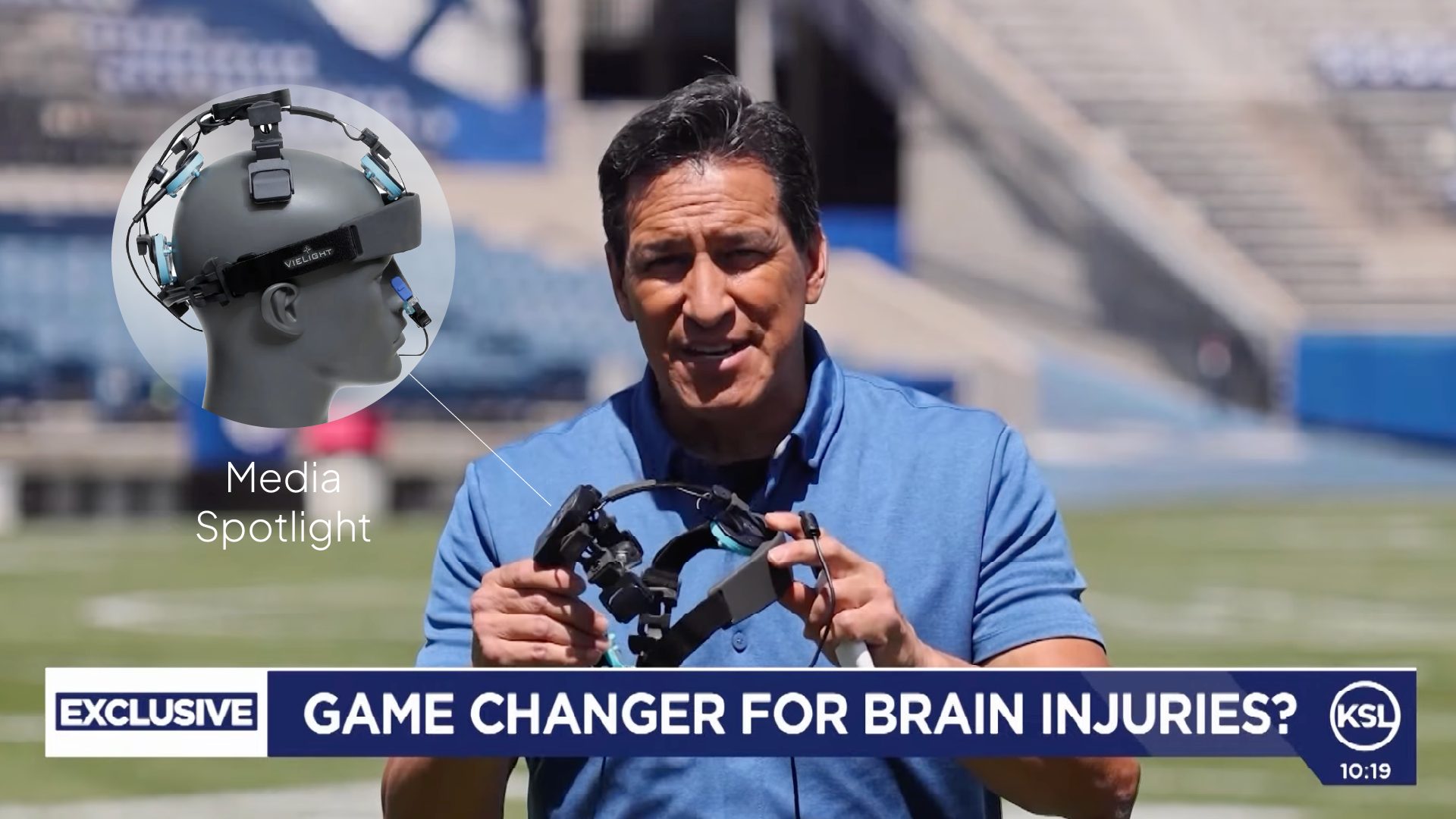
KSL-TV 5 (Salt Lake City, UT) aired a section focusing on an inside look at the Vielight Neuro, which BYU Football athletes are finding success with this season, focusing on Vielight’s patented intranasal-transcranial PBM’s role in performance and recovery, along with their breakout year.
- KCRA 3 (Sacramento, CA) profiled former Oregon State linebacker Rico Petrini Jr., who participated in the University of Utah’s photobiomodulation study. Petrini shared that he’s experienced “about 80-90% improvement” and is “in the best place [he’s] been in 20 years,” while the station also noted BYU’s team-wide use of the technology and that two NFL teams are evaluating it.
Third Feature: CBS Sacramento
CBS News (Sacramento) featured former pro football player Rico Petrini Jr. and his journey with Vielight brain photobiomodulation therapy after years of hits on the field. This summer, University of Utah researchers published phase two of their TBI clinical study (n=44) using transcranial + intranasal photobiomodulation (itPBM) with Vielight technology over 8–10 weeks. This builds on their previous published itPBM TBI study (n=49).
From recovery to performance: why this matters
Independent coverage is catching up with what researchers and athletes have been exploring for years: transcranial-intranasal photobiomodulation (tPBM) can modulate brain activity and may support functional outcomes that matter on and off the field.
-
In 2019, a randomized, double-blind, sham-controlled study published in Scientific Reports showed that a single 20-minute session with the Vielight Neuro Gamma increased alpha/beta/gamma power, decreased delta/theta, and altered functional connectivity and graph-theory network measures in healthy older adults, direct evidence of non-invasive neuromodulation. Nature
-
At the University of Utah, studies with collision athletes have reported consistent improvements on objective measures (e.g., processing speed/strength) after at-home tPBM use, with ongoing clinical research underway.
Phase 1 – Vielight Uni of Utah TBI Study Cognitive test battery (e.g., CVLT-3, D-KEFS, CPT-3, NIH Toolbox).
Phase 2 – Vielight Uni of Utah TBI Study Motor/functional measures (reaction time drop test, Grooved Pegboard, grip dynamometer, MiniBEST.
KCRA’s report also referenced a BYU analysis noting potential indicators of reduced brain inflammation during the season – a promising area of investigation, with more data expected as research progresses. KCRA
BYU’s breakout year—and the bigger picture
BYU’s 2024 season speaks for itself: 11–2 overall, a 36–14 Alamo Bowl win over Colorado, and a No. 13 final AP ranking – the program’s best finish since 2020. While many factors drive on-field success, we’re proud that BYU leadership embraced emerging neuroscience alongside traditional training and recovery.
“After reviewing early photobiomodulation research led by Professor Lisa Wilde at the University of Utah’s Neurology Department, and working with our own performance research team led by Dr. Coleby Cloawson, we’ve seen compelling evidence – enough to include the Vielight Neuro Duo as standard equipment for our football team during the 2024 season.” — Tom Holmoe, 3x Super Bowl Champion and BYU Associate Athletic Director


What athletes are saying and seeing
Across our community of athletes and research participants, the most frequently reported or measured changes include:
-
Sharper mental speed and faster reaction time
-
Grip strength gains over a season
-
Better focus and energy
-
Early indicators consistent with reduced neuroinflammation under investigation
These themes mirror what KSL-TV previewed for BYU and what Utah researchers have discussed publicly about objective metrics improving with tPBM.
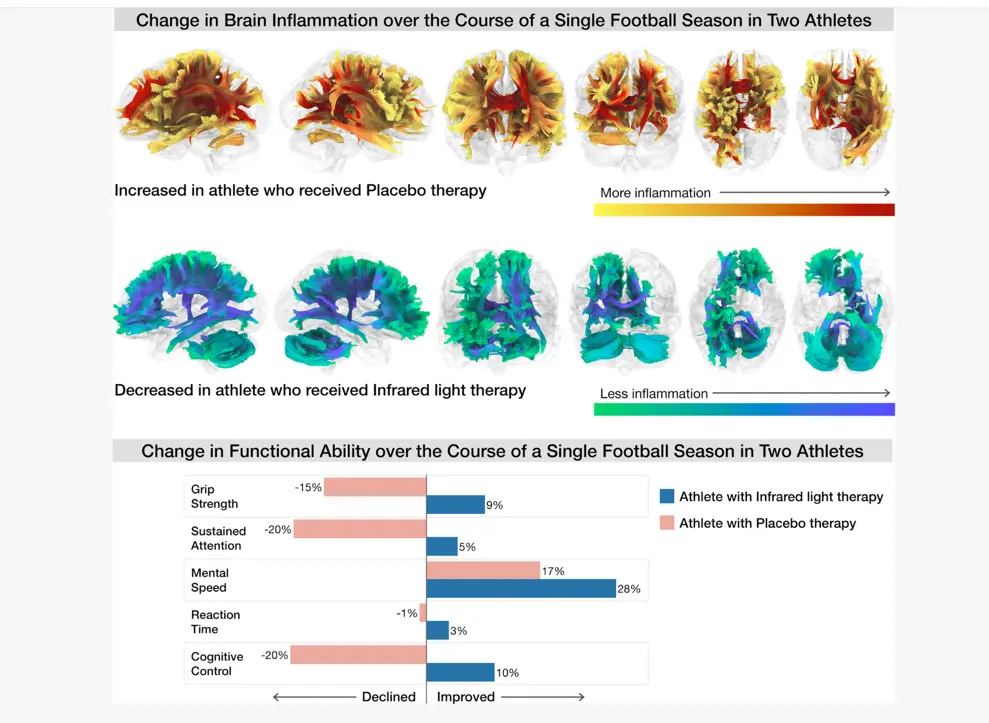
University of Utah diffusion-MRI (DTI) tractography maps show decreased inflammation-related diffusion markers with Vielight Neuro versus placebo
Our mission
Vielight exists to deliver non-invasive, drug-free neurotechnology built on evidence-based innovation—so people can protect and enhance brain function, from recovery to performance.
A heartfelt thank you to Rico Petrini Jr. for sharing his journey; to the researchers at the University of Utah; and to the BYU program for helping pioneer the future of sports performance and brain health.
Notes & Disclosures
-
The Vielight Neuro is a wellness/consumer neurotechnology device. It is not intended to diagnose, treat, cure, or prevent disease. Individual results vary.
-
Statements about performance, recovery, or inflammation relate to ongoing research and media reports; they should not be interpreted as medical claims.
Media & Press
For interviews, images, or technical background (including published neuromodulation data), please contact [email protected]. Key references include the Scientific Reports neuromodulation trial and University of Utah study information.