


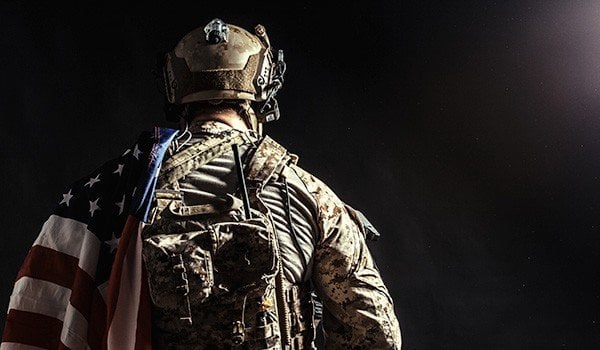
Gulf War Illness (GWI) is a chronic, multi-symptom condition affecting veterans of the 1990-1991 Gulf War. Those affected experience a wide range of symptoms, including fatigue, cognitive difficulties, chronic pain, and gastrointestinal issues.
Despite decades of research, GWI remains complex and difficult to diagnose, with multiple potential causes linked to environmental exposures during deployment.
In this article, we’ll explore what Gulf War Illness is and its symptoms. We’ll also discuss the latest scientific research on GWI and emerging treatment approaches, including the role of photobiomodulation (PBM) as a potential tool for Brain wellness and symptom relief.
What Is Gulf War Illness?
As mentioned in the introduction, Gulf War Illness (GWI) is a chronic, multi-symptom condition affecting veterans of the 1990-1991 Gulf War. It encompasses a variety of symptoms, such as:
- Fatigue
- Headaches
- Joint pain
- Memory problems
- Digestive issues
While the exact cause of GWI is still unclear, it is believed to be related to exposure to toxic substances, vaccines, and environmental hazards during deployment. Because symptoms can vary widely from person to person, diagnosing and treating GWI can be challenging.
Common Symptoms of Gulf War Illness
Veterans with Gulf War Illness (GWI) experience a broad range of symptoms that can vary in severity. These symptoms often affect multiple areas of health, making GWI a complex condition to manage.
Below are the most common symptoms experienced by those with GWI, categorized for clarity:
- Neurological & Cognitive Issues: Brain fog, memory problems, difficulty concentrating.
- Chronic Fatigue & Pain: Persistent tiredness, muscle and joint pain.
- Headaches & Sensory Sensitivities: Severe headaches, sensitivity to light and sound.
- Gastrointestinal Problems: Digestive issues, irritable bowel syndrome (IBS).
- Respiratory & Immune System Dysfunction: Breathing difficulties, increased susceptibility to infections.
Given the wide variety of symptoms and their overlapping nature, understanding GWI requires a closer look at what it means to have a multi-symptom illness.
What Is a Multi-Symptom Illness?
A multi-symptom illness is a condition where multiple, often unrelated symptoms occur together, affecting different body parts. This makes diagnosing and treating these illnesses more complex, as doctors need to address a range of symptoms that may not have a clear connection.
Gulf War Illness (GWI) fits into this category, as its symptoms span across various systems in the body—neurological, muscular, gastrointestinal, and more. This wide range of symptoms can make it difficult to pinpoint a single cause or treatment.
Additionally, the symptoms vary greatly from person to person, meaning no two cases of GWI are the same, further complicating the management of the illness.
Current Research and Treatment Approaches
Ongoing research into Gulf War Illness (GWI) has focused on potential links to neuroinflammation and mitochondrial dysfunction, which may explain the wide range of symptoms affecting veterans.
In 2019, the Vielight Neuro Alpha was used in a successful pilot study by the University of California San Francisco on Gulf War Illness. This pilot study on US veterans represents the first documentation of GWI symptom improvements after PBM treatments.
Another particularly promising study, Transcranial Photobiomodulation to Improve Cognition in Gulf War Illness, investigated the use of red/near-infrared light therapy (photobiomodulation) applied to the brain. The results showed cognitive improvements, especially in veterans with higher PTSD symptoms, suggesting that this treatment could enhance brain function and reduce PTSD symptoms.
Current Treatment Options and Challenges
Currently, treatment strategies for GWI primarily focus on symptom management, including pain relief, cognitive therapy, and lifestyle changes.
However, veterans often face significant challenges, such as limited treatment options, difficulty accessing care, and the need for more targeted, effective solutions.
As GWI remains a complex condition, continued research and support are essential to develop more personalized and efficient treatments, helping affected veterans manage their symptoms and improve their quality of life.
Can Photobiomodulation (PBM) Help Veterans with GWI?
Photobiomodulation (PBM) is a non-invasive therapy that has gained attention for its potential to support Brain wellness and neurological function, particularly in conditions like Gulf War Illness (GWI).
PBM uses red and near-infrared light to stimulate cells, which can help reduce inflammation, enhance cellular energy production, and promote neuroprotection.
These effects are particularly relevant for GWI, as it is believed that neuroinflammation and mitochondrial dysfunction contribute to the condition’s symptoms.
Scientific interest in PBM has grown due to its success in treating conditions involving chronic pain, fatigue, and cognitive dysfunction—key issues for veterans with GWI.
As researchers continue to explore PBM’s benefits, it shows promise as a potential tool to alleviate some of the debilitating symptoms of GWI, offering hope for improved symptom management and quality of life.
Vielight Neuro and Brain Regeneration: A New Era in Wellness
The Vielight Neuro series consists of research-backed, medical-grade photobiomodulation (PBM) devices designed to enhance cognitive function and support overall neurological health. Each one of them is designed to target specific brain functions:
- Vielight Neuro Duo offers both Gamma (40Hz) and Alpha (10Hz) pulse rates, allowing for mental energization and relaxation. Gamma waves are aimed at improving focus, memory, and brain energy, while Alpha waves promote relaxation and better sleep.
- Vielight Neuro Gamma focuses on enhancing brain energy, memory improvement, and cognitive focus through Gamma brain waves.
- Vielight Neuro Alpha targets the brain’s resting state, supporting mental coordination, mindfulness, and learning, often cited by athletes for achieving a “flow” state.
- Vielight Neuro Duo with Vagus System combines the benefits of the Duo model with non-invasive vagus nerve stimulation (VNS) via PBM, enhancing brain-body connectivity, improving mental clarity, reducing stress, and promoting overall well-being.
Utilizing Vielight’s patented intranasal PBM technology, these devices deliver near-infrared light to brain areas associated with memory, cognitive clarity, and neuroprotection.
This innovative technology helps to stimulate brain cells, reduce inflammation, and improve cellular energy production, which is crucial for supporting cognitive health and combating conditions like Gulf War Illness (GWI).
With its focus on scientific research and practical solutions, Vielight aims to offer an effective, non-invasive treatment option to support neurological regeneration and improve the quality of life for individuals affected by cognitive decline and related conditions.
Unlock the power of your brain’s potential with Vielight—your path to a healthier, sharper future.


